

No headings found
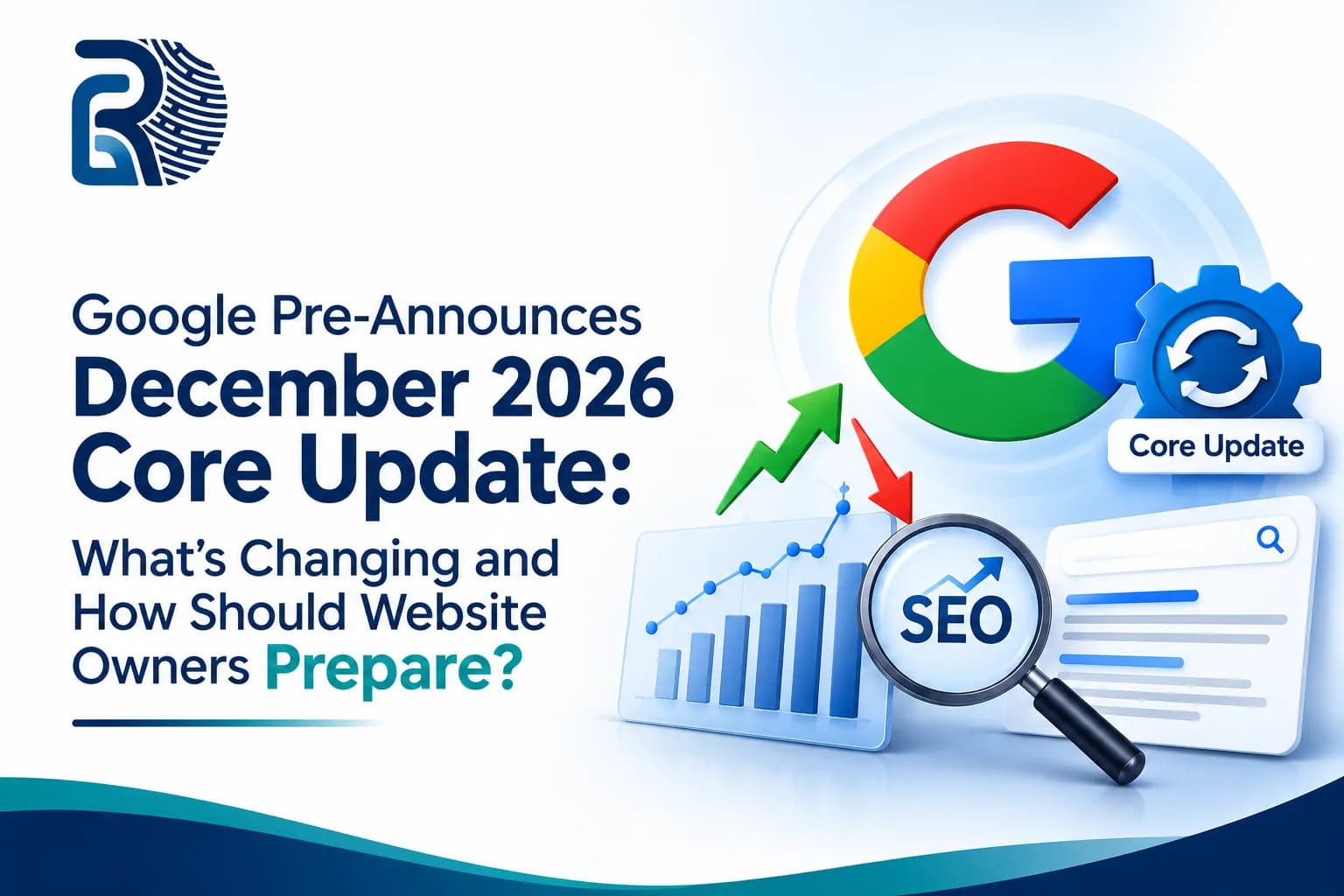
Google has done something it has long said it could not do: it told site owners about a core update before it started. The December Core Update 2026 was added to the Search Status Dashboard on 24 November, about an hour after Google confirmed that the November core update had finished. No start date has been given, but the notice gives site owners a rare window to prepare. This guide covers what Google said, what remains unknown, and what to do in the next few weeks, with sources linked where they are public. Google will post a "Released" update on the dashboard when the rollout begins. This is the first time Google has announced a core update in advance. In December 2025, John Mueller said pre-announcing a core update for a fixed date was not possible, so the change stands out. Reporting from PPC Land ties the move to the UK Competition and Markets Authority's fair ranking rules, and says Google also opened a Search ranking hub with new principles and a feedback channel, and published a document on how AI Overviews and AI Mode choose links. The regulatory duties concern the UK, but the update itself is global. Google has said future updates may also be announced early, starting with this one. One warning: the dashboard briefly showed the December update as active, and Google confirmed to Search Engine Roundtable that it had not started. Any ranking movement you see now is not from the December update. The gap between two broad updates is short, and the holiday sales period sits in the middle, so changes in traffic will be hard to separate from seasonal demand. This is also why Rapid Digital Growth advises logging every site change with a date, so you can tell your own edits from Google's. Do not rewrite your whole site on a guess. The announcement names goals, not ranking factors. Do not chase rumours. Early speculation usually proves wrong. Do not blame the December update for the November movement. It has not started. Do not stop publishing helpful content. The best preparation is the same as it always was. Google's core update guidance recommends waiting at least seven days after the rollout ends, then comparing that week with the week before it began. Rapid Digital Growth suggests adding three checks: Compare like with like, such as the same weekdays. Segment by page type, so you can see whether guides, products, or local pages moved. Mark known data issues. Google confirmed a logging error that lowered impressions in the Search Console Generative AI performance report between 9 and 11 November, so treat that window carefully. Core updates reassess content quality broadly, so there is rarely a single fix. Start by comparing the pages that fell with the pages that held, then ask whether the dropped pages answer the full question better than the results above them. Improve those pages over weeks, not hours, and expect recovery to track later updates, not days. Google's first-ever pre-announced core update is a sign that advance notice may become a pattern, but the details remain thin. We know the month, the global scope, and the focus on complex queries and personalization. We do not know the date or who will be affected. The sensible response is calm preparation: baseline your data, annotate changes, strengthen your most important pages, and avoid big moves during the rollout. Your next step is simple: export your current Search Console data today and save it as your reference point. If you would like a second opinion on which pages to prioritise before the rollout, the team at Rapid Digital Growth can review your site and flag the biggest risks.What Google announced on 24 November
Why did Google pre-announce the December core update?
What is known and what is not
The calendar to plan around
What to do now
What not to do
How to measure the impact once it ends
If your traffic drops
The takeaway
 SEO
Local SEO helps businesses improve their online visibility, attract nearby customers, and increase foot traffic by optimizing for location-based searches.
Read More SEO
A well-optimized Google My Business profile boosts local SEO, increases visibility, attracts customers, and helps businesses rank higher in local searches.
Read More SEO
The decision-making process between paid and SEO is usually based on the goals you have in mind, your budget, and timing.
Read More