

No headings found
The digital advertising geography is passing its most significant dislocation since Google Advertisements first launched over two decades ago. OpenAI's recent advertisement of ChatGPT's advertising capabilities through limited US beta tests has sent shockwaves through the marketing community, egging businesses from London to Singapore, Toronto to Sydney, to question whether their Google PPC strategies need a complete overhaul.
For any pay-per-click advertising company navigating this transition, the stakes could not be higher. The question is not just about conforming to new technology; it's about understanding whether ChatGPT advertisements represent a genuine Google PPC alternative or simply another advertising channel to add to the blend. With millions of pounds, ones, and euros on the line, businesses need clarity, not hype.
The ChatGPT US beta ads program operates unnaturally from traditional search advertising. Rather than bidding on keywords that appear alongside search results, advertisers within the beta program can display contextually applicable dispatches within conversational vestments. When druggies ask ChatGPT for product recommendations, trip advice, or service comparisons, sharing brands can appear as patronized suggestions, seamlessly integrated into the AI's responses.
This conversational advertising model presents unique advantages. Unlike Google Advertisements, where druggies see multiple contending announcements contemporaneously, ChatGPT generally presents one or two patronized options within a natural dialogue. Beforehand, beta actors report engagement rates significantly higher than traditional PPC juggernauts, though OpenAI hasn't released comprehensive performance data yet.
Rapid Digital Growth has been covering these developments, getting businesses across the United States, the United Kingdom, Australia, and Canada to formally ask how this impacts their digital marketing investments. The reality is more nuanced than the captions suggest.
Comparing ChatGPT vs Google Ads performance requires understanding what success means in each terrain. Google Advertisements excels at landing high-intent quests, druggies laboriously seeking specific products or services. The platform's decades of refinement have created sophisticated targeting options, from position- grounded juggernauts reaching guests in Manchester or Melbourne to followership segmentation that identifies druggies based on detailed behavioral patterns.
The ChatGPT US beta ads program, again, captures druggies during the exploration and consideration phases. Beta actors from the advertising technology sector report that ChatGPT advertisements induce longer engagement times and further thoughtful consideration, though conversion rates vary significantly by industry.
One beta party, a software company serving requests in New York, Berlin, and Tokyo, reported that while ChatGPT advertisements generated 40 smaller clicks than similar Google juggernauts, the quality of those relations was mainly advanced. druggies who engaged with ChatGPT advertisements spent a normal of 4.5 twinkles on the company's website compared to 1.8 twinkles from Google Advertisements business.
Still, these results are not universal. E-commerce brands have set up the ChatGPT vs Google Ads performance comparison as less favorable, with conversion rates significantly lower through ChatGPT channels. This suggests that ChatGPT advertising may be more effective for complex, considered purchases rather than transactional queries.
Understanding the OpenAI advertising roadmap is pivotal for any business planning their 2025- 2026 marketing strategies. OpenAI has indicated that the current US beta represents just the first phase of a global rollout planned for late 2025 and early 2026, with expansion anticipated in the United Kingdom, European Union countries including France and Germany, and major requests across Asia- Pacific including Japan and South Korea.
The OpenAI advertising roadmap includes several developments that could significantly impact how PPC services operate.
The question of whether ChatGPT represents a true Google PPC alternative depends entirely on business objectives, target followership, and product complexity. For businesses serving guests in competitive requests, whether in Dublin, Vancouver, Mumbai, or Los Angeles, the answer is not double.
Google Advertisements remains unmatched for landing high-intent marketable quests. When someone searches "exigency plumber Manchester" or "divorce attorney Chicago," they want immediate options, not a discussion. Google's PPC structure delivers precisely this, connecting businesses with guests at the moment of need.
ChatGPT advertising excels in before channel stages. druggies exploring options, comparing druthers, or seeking recommendations engage more deeply with AI- generated suggestions. This makes ChatGPT particularly precious for diligence where education and trust- structure antecede purchases of fiscal services, B2B technology, healthcare, education, and complex consumer products.
The most sophisticated businesses are not choosing between platforms; they are integrating both. Rapid Digital Growth works with guests across North America, Europe, and Asia who are developing multichannel strategies using Google Advertisements for bottom- channel transformations while testing ChatGPT juggernauts for mindfulness and consideration stages.
For businesses presently investing in PPC services, the ChatGPT beta tests suggest several strategic considerations.
Navigating the transition between traditional PPC and AI- powered advertising requires moxie that most businesses do not maintain in- house. The specialized complexity of managing juggernauts across Google Advertisements, ChatGPT advertising, and other emerging platforms demands technical knowledge.
This is where partnering with an educated Pay-Per-Click advertising company becomes inestimable. Agencies at the forefront of these developments, testing beta programs, assaying performance data, and developing stylish practices, give businesses a competitive advantage that DIY approaches simply can not match.
Rapid Digital Growth has established devoted brigades covering AI advertising developments, reaching guests across the United Kingdom, United States, Australia, Canada, and beyond, so that they do not fall behind as the geography evolves. From businesses in Edinburgh to enterprises in San Francisco, companies need mates who understand both traditional PPC fundamentals and rising AI advertising opportunities.
The ChatGPT advertising beta tests have revealed one certainty: the future of digital advertising will be more complex, not simpler. Businesses can not ignore these developments, but neither should they abandon proven strategies for unproven druthers.
The smartest approach involves strategic trials supported by expert guidance. Whether ChatGPT advertisements eventually replace, complement, or simply attend with Google PPC remains to be seen, but businesses that start preparing now will be positioned to capitalize on whichever script unfolds.
Rapid Digital Growth offers comprehensive PPC services that gauge both traditional and emerging advertising platforms. Their platoon stays ahead of assiduity developments, furnishing guests with early access to beta programs, performance insight, and strategic guidance that turns query into competitive advantage. For businesses serious about maintaining advertising effectiveness through this transition, partnering with specialists who understand both the present and future of PPC is not voluntary; it's essential.
The advertising revolution is passing now. The question is not whether your business will acclimatize, it's whether you will lead the transition or scramble to catch up. Connect with experts who can help you navigate this geography with confidence and strategic clarity.
 Advertising
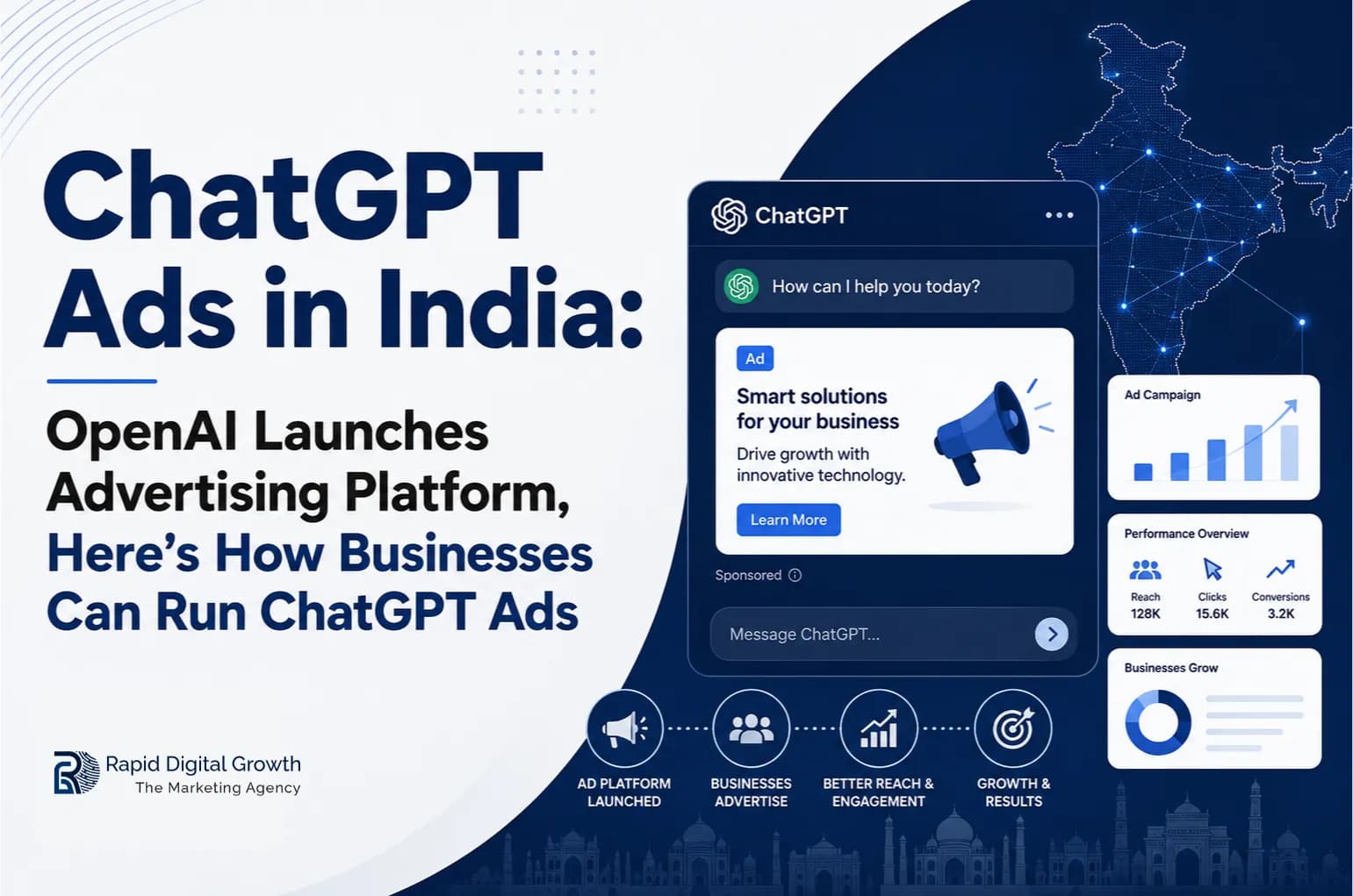
OpenAI has launched ChatGPT Ads in India for Free and Go users. Here’s what businesses need to know about ChatGPT Ads, Ads Manager, budgets, and how to run campaigns.
Read More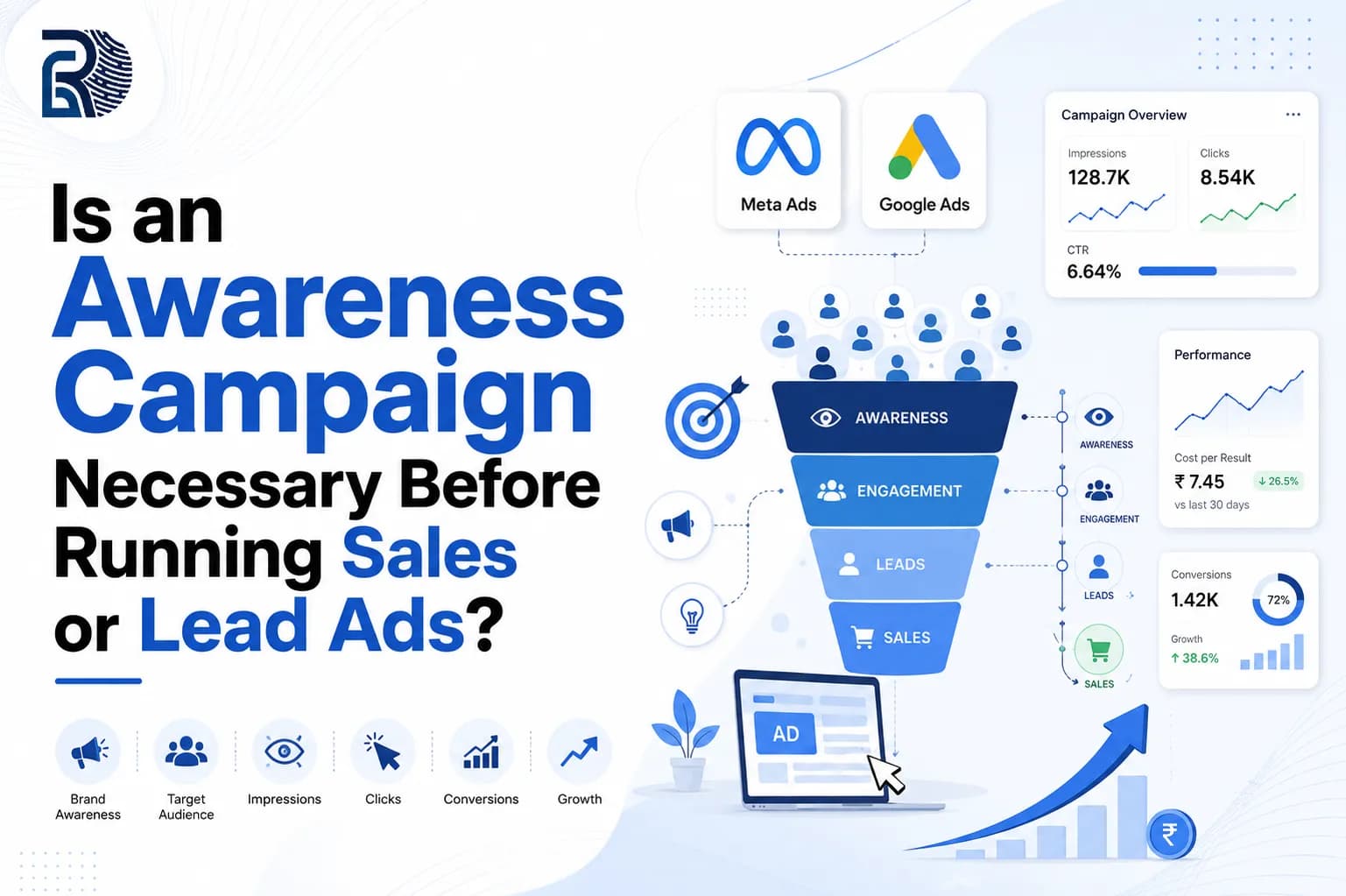 Advertising
Should you run awareness campaigns before sales or lead ads? Learn when it matters, when to skip it, and how to build a smarter ad funnel strategy.
Read More Advertising
JioHotstar launches self-serve ads, giving brands direct access to premium OTT inventory. Here's what it means for performance marketers in India.
Read More